Aligned Structures & Nourishing Rhythms for Sensitive Nervous SystemsHow Human Design helps highly sensitive women create sustainable routines, supportive structure, and nervous system safety
✨ Narrative Opening
For a long time, I thought I simply needed better structure.
A better routine.
A better planner.
Better time management.
More discipline.
More consistency.
As a highly sensitive woman, I deeply craved stability.
But the structures I kept trying to follow often left my nervous system feeling even more overwhelmed.
Rigid schedules.
Overpacked routines.
Productivity systems built around constant output and optimization.
Everything felt designed to help me do more, not support me more.
And eventually I realized something important:
The problem was trying to force my nervous system into structures that were never designed for the way my energy naturally functions.
Because sensitive nervous systems do need structure.
We often thrive through:
rhythm
pacing
restorative routines
intentional transitions
supportive environments
But the type of structure matters deeply.
Structure that ignores the body creates pressure.
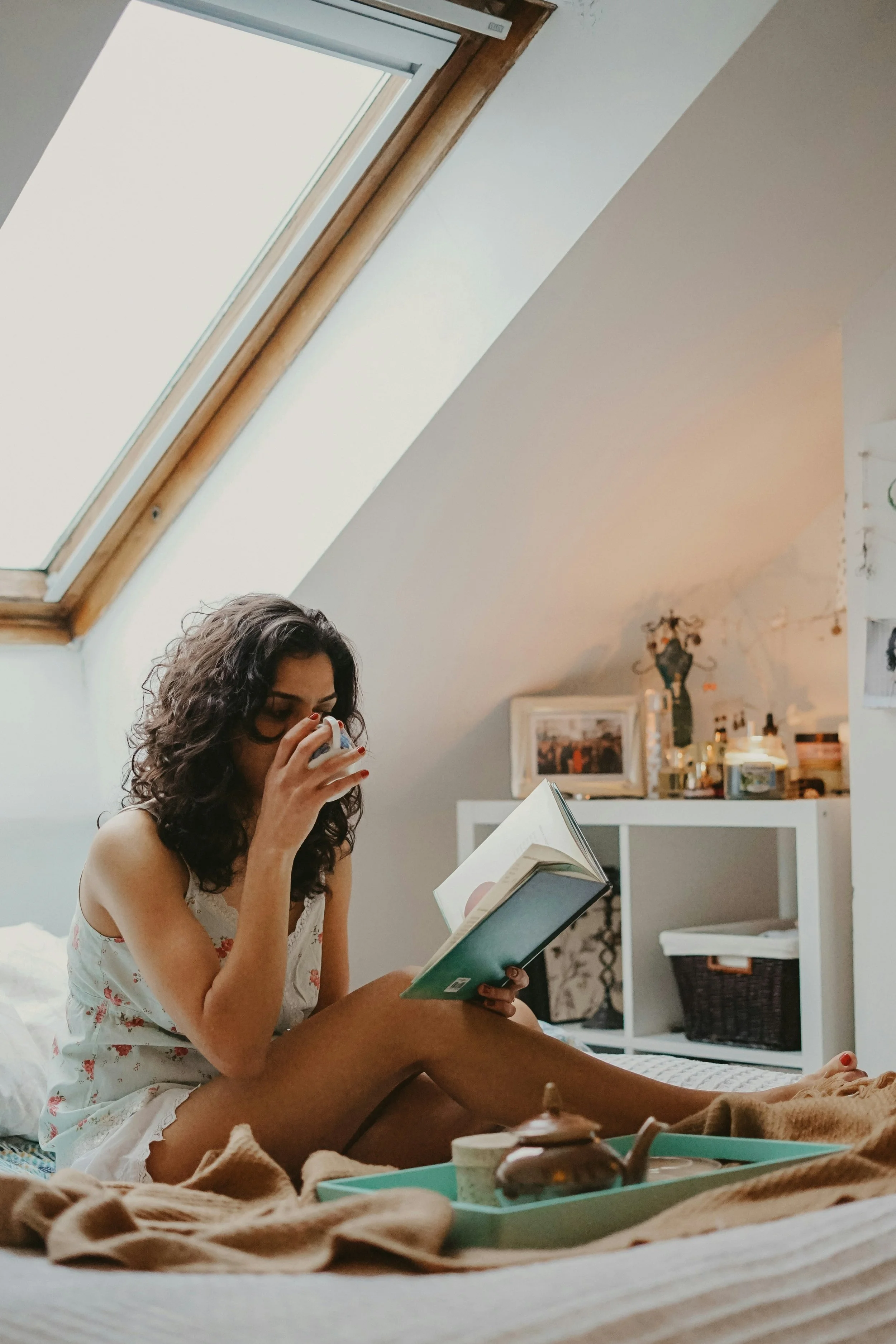
Structure that honors the nervous system creates flow.
This is one of the reasons I love Human Design so much.
Because it helps highly sensitive women understand that sustainability is not about becoming more productive at the expense of ourselves.
It’s about building structures, rhythms, and routines around how our energy was actually designed to move.
And when structure becomes aligned instead of performative, something remarkable happens:
The nervous system stops bracing against life.
And begins softening into it instead.
🌿 Sensitive Nervous Systems Need Rhythm
Highly sensitive nervous systems regulate through pacing and restoration.
Without supportive rhythms, many HSPs experience:
chronic overstimulation
emotional flooding
nervous system fatigue
mental exhaustion
difficulty recovering from stress
And yet many conventional systems encourage:
constant accessibility
productivity over restoration
pushing through exhaustion
overriding bodily cues
Over time, the nervous system loses its sense of safety.
Because safety is not only emotional.
It is physiological.
And nervous systems often feel safest when life includes supportive rhythm.
What I’m Learning About Nervous System-Supportive Structures
One of the biggest things I’m learning is that sustainable structures should reduce internal resistance, not create more of it.
When routines are overly rigid, my nervous system braces against them.
But when structure becomes supportive and adaptable, my body softens into it naturally.
I’m also learning that rhythm matters more than intensity.
Small repeated moments of support often regulate sensitive nervous systems more effectively than dramatic changes, actually leading to greater productivity in the long-term.
Things like:
slower mornings
intentional transitions
evening wind-down rituals
regulation practices
regular nourishment
spacious scheduling
These rhythms communicate safety to the nervous system over time.
🌿 Human Design & Sustainable Structures
Human Design offers remarkably detailed insight into how sensitive women are designed to function sustainably.
🌿 Defined & Undefined Centers
Defined centers show where energy tends to function more consistently.
Undefined centers often reveal where overstimulation, amplification, and energetic inconsistency occurs.
For highly sensitive women, open centers frequently indicate where more intentional structure or support is needed.
Example:
An undefined Root Center may struggle with chronic urgency and pressure.
An undefined Sacral Center may require more intentional rest and pacing.
An undefined Solar Plexus Center may need increased solitude and emotional decompression after social interaction.
Structure becomes supportive when it accommodates the nervous system instead of overriding it.
Human Design reminds us:
sustainability is individualized.
There is no universally “correct” way to structure life.
Only the question:
“What allows my nervous system to function sustainably?”

If you’re ready to create sustainable rhythms and aligned structure that genuinely supports your nervous system, I’d love to support you.
✨ Book a Discovery Call
Sustainable structure is not about controlling yourself more.
It’s about supporting yourself more authentically.